

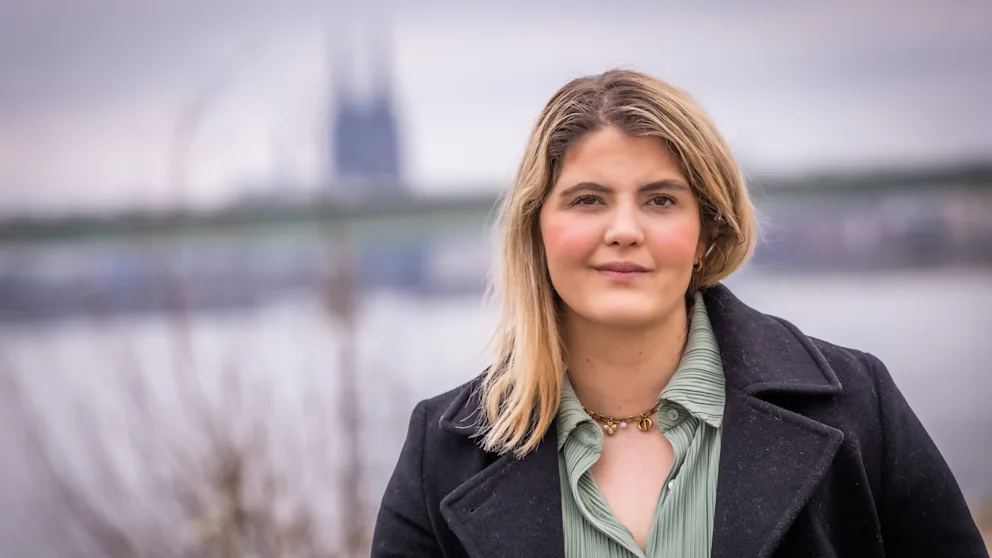
Who Is Ina Muer?
First things first: you might be expecting a clear story about someone named Ina Muer and a stroke incident. The truth is, there isn’t much reliable, confirmed information available about this person in connection with a stroke.
This happens more often than you’d think online. A name starts trending due to:
- Social media rumors
- Misspellings
- Private individuals suddenly gaining attention
Think of it like a game of telephone—information gets passed around, slightly changed each time, until people are searching for something that may not even be accurate.
That said, the curiosity around “ina muer schlaganfall” tells us something important: people want to understand strokes better. And that’s a very good thing.
What Exactly Is a Schlaganfall (Stroke)?
Imagine your brain as a busy city. Roads (your blood vessels) are constantly delivering oxygen and nutrients to keep everything running smoothly.
Now imagine one of those roads suddenly gets blocked—or worse, bursts.
That’s essentially what a stroke is.
A stroke (Schlaganfall) happens when blood flow to part of the brain is interrupted. Without oxygen, brain cells begin to die within minutes. That’s why time is everything.
There Are Two Main Types:
1. Ischemic Stroke (Most Common)
This is like a traffic jam caused by a blockage—usually a blood clot. It stops blood from reaching parts of the brain.
2. Hemorrhagic Stroke
This is more like a burst pipe. A blood vessel breaks and causes bleeding in the brain.
Both are dangerous. Both need immediate medical attention.
What Causes a Stroke?
Stroke doesn’t usually come out of nowhere. In many cases, it’s the result of risk factors building up over time.
Here are the most common causes:
High Blood Pressure (The Silent Threat)
If there’s one thing doctors constantly warn about, it’s this. High blood pressure quietly damages your blood vessels over the years.
You might feel completely fine… until something serious happens.
Lifestyle Habits
Let’s be honest—we all have habits we know we should improve. But some of them significantly increase stroke risk:
- Smoking
- Too much alcohol
- Junk food-heavy diets
- Sitting for long periods
It’s not about being perfect. It’s about being aware.
Heart Problems
Conditions like irregular heartbeat can lead to clots forming—and those clots can travel to the brain.
Diabetes
High sugar levels in your blood damage blood vessels over time, making strokes more likely.
Family History
Sometimes, it runs in the family. You can’t change your genetics, but you can manage your lifestyle.
Recognizing Stroke Symptoms (This Part Matters Most)
Here’s a quick story.
A man once ignored a slight numbness in his arm, thinking he had just slept wrong. A few hours later, he couldn’t speak properly.
That delay made recovery much harder.
Stroke symptoms can be subtle at first—but they escalate quickly.
Remember This: FAST
- F – Face drooping
Ask someone to smile. Does one side look uneven? - A – Arm weakness
Can they lift both arms? - S – Speech difficulty
Is their speech slurred or strange? - T – Time to act
Don’t wait. Call emergency services immediately.
Other Warning Signs
- Sudden confusion
- Trouble seeing
- Severe headache
- Loss of balance
Even if symptoms disappear after a few minutes, don’t ignore them. That could be a mini-stroke (TIA), which is a major warning sign.

What To Do If Someone Is Having a Stroke
This isn’t the moment to “wait and see.”
Here’s what you should do right away:
- Call emergency services immediately
- Note the time symptoms started (doctors need this)
- Keep the person calm and seated or lying down
- Do NOT give food or drink
- Stay with them until help arrives
Think of it like a fire—you wouldn’t wait to see if it spreads before calling for help.
Treatment and Recovery: What Happens Next?
The good news? Stroke treatment has improved a lot over the years.
Emergency Treatment
For the most common type (ischemic stroke), doctors can use medication to dissolve the clot—but only if the patient arrives quickly.
That’s why people always say: “Time is brain.”
Rehabilitation
Recovery doesn’t stop at the hospital.
Many people need:
- Physical therapy (to regain movement)
- Speech therapy
- Occupational therapy (to relearn daily tasks)
It can be a long journey—but progress is absolutely possible.
Real-Life Perspective
Some stroke survivors go back to living completely normal lives. Others may need ongoing support.https://www.youtube.com/watch?v=mdJhgcM8cMk
Every case is different—but early action makes a huge difference.
How to Reduce Your Risk (Without Overcomplicating It)
Let’s keep this practical.
You don’t need a perfect lifestyle—just a smarter one.
Simple Prevention Tips
✔ Check your blood pressure regularly
This alone can drastically lower your risk.
✔ Eat better (not perfect)
Add more:
- Fruits
- Vegetables
- Whole foods
You don’t have to give up everything you love—just balance it.
✔ Move your body
Even a 30-minute walk most days can help.
✔ Quit smoking (or cut down)
This is one of the biggest risk factors.
✔ Manage stress
Chronic stress affects your heart and blood vessels more than you think.
Why This Topic Matters More Than You Think
Even if “ina muer schlaganfall” turns out to be a misunderstanding or an unverified story, the attention it’s getting is meaningful.
Because strokes don’t just happen to “other people.”
They can affect:
- Young adults
- Middle-aged individuals
- Elderly people
And often, they happen when least expected.
Final Thoughts
If you take just one thing away from this article, let it be this:
Recognizing a stroke quickly can save a life.
The keyword “ina muer schlaganfall” may have brought you here out of curiosity—but now you’re leaving with something much more valuable: awareness.
And awareness is powerful.https://deinnewsblog.de/?p=3209&preview=true
So the next time you notice someone showing signs of a stroke—or even feel something unusual yourself—don’t ignore it.
Act fast. It matters more than you think.
 German